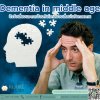
Poor cognitive function, Brain fog, Memory regression

Cognitive function or the advanced functions of the brain include memory, language, distance and direction perception, visual and oral functions, attention to complex activities, executive function including behavioral and emotional expressions (Mood).
The cause of poor cognitive function
- Aging
- Genetic
- Brain injury
- Cerebral ischemia or lack of oxygen
- Exposure to toxins or heavy metals
- Inflammation of the brain from disease (Encephalitis) or other chronic inflammation.
- Effects from other chronic diseases, such as heart disease, diabetes, Parkinson's disease
- Consequences of viral infections such as Post COVID syndrome
️Symptoms of poor cognitive condition include:
- easily confused, impaired order of thinking
- Poor memory, easy to forget
- Forgetting a person, place or event
- Lack of concentration at work
- Difficulty learning new things
- Trouble making decisions
- Lack of creativity
- mood swings
- Changed behavior
-Risk of certain brain diseases such as Alzheimer's, Alzheimer's
️ Severe Cognitive function problems can affect daily life and work. In terms of treatment, there can be many methods, including medication, physical therapy, and surgery. However, at present, there is also medical wellness care that focuses on restoration of the brain and preventing cognitive function problems. Don't make it too severe to fix. If you or someone close to you begins to have the symptoms mentioned above. Don't be complacent. This problem can be solved. If taken care of properly.
*** Copyright by M.D. Health and Beauty co,.ltd.